Until about 2005, Etna wines were a local curiosity. Then the world discovered that vines grown in volcanic mineral soil at 600 to 1,000 metres, surviving on almost no irrigation, tended by old men using methods unchanged since the 18th century, produce something structurally unlike anything from conventional terroir. Nerello Mascalese from the contrade of Etna Nord is now compared to Grand Cru Burgundy. This is a guide to tasting it the right way: privately, with a sommelier, and without the tour bus.
The Contrade | Why Location Matters More Than the Producer
On Etna, the concept of contrada, a named parcel within a specific altitude band and lava-flow zone, is as deterministic as premier cru classification in Burgundy. Guardiola (north slope, Randazzo commune, above 700m) produces Nerello with high acid, restrained fruit and extraordinary aging potential. Calderara Sottana (north, Castiglione di Sicilia) gives a more opulent, immediately accessible style. San Lorenzo (also Castiglione) is the tightest, most minerally expression of all.
The same producer, vinifying grapes from two different contrade in the same vintage, will produce wines that taste nothing alike. Understanding this before your tasting, and asking producers to pour contrade side by side: is what separates a serious visit from a tourist stop.
The Six Producers That Define the Appellation
Frank Cornelissen is the benchmark reference point, and the most divisive. His Magma bottling (Nerello Mascalese, ungrafted pre-phylloxera vines, zero sulphur) either reveals a transcendent expression of place or unsettles palates expecting conventional wine. Our advice: taste it after the other five, not before. His Munjebel range offers approachable entry points. The estate in Solicchiata (900m) receives private visits by appointment: expect 90 minutes minimum.
Benanti (Viagrande) is the historian of the appellation, the estate that, in 1991, first argued that Etna deserved international recognition. Their Pietramarina (Carricante, white) remains one of the benchmark Italian whites. Terre Nere (Randazzo) produces the most complete portfolio of single-contrada Nerello; a side-by-side tasting of Calderara, Guardiola and San Lorenzo at their cellar is among the most instructive 90 minutes in Italian wine. Passopisciaro (Franchetti family) is the new-world interpretation, powerful, precise, barrel-influenced but never heavy. I Vigneri (Salvo Foti) represents the old-world answer: alberello, mixed varietals, carbonic maceration, village cooperative heritage. Planeta's Etna operation (Castiglione) provides the most food-friendly, immediately pleasurable versions.
The Private Tasting Circuit | What FFGR Italia Arranges
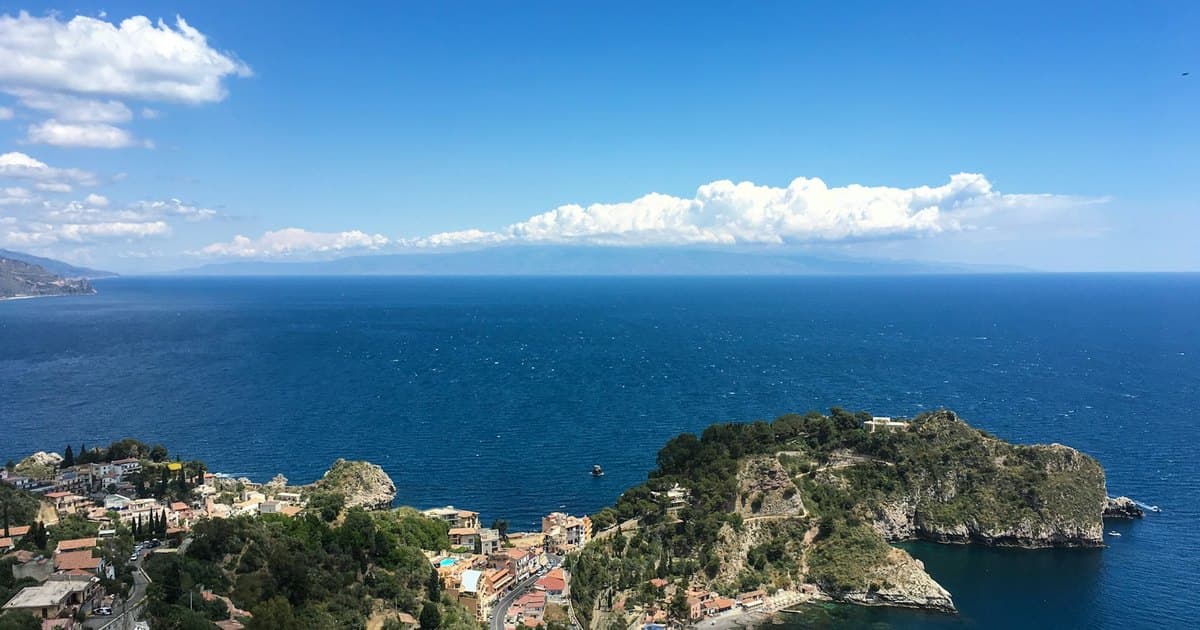
A standard Etna wine day with FFGR Italia: departure from Catania or Taormina at 8:30 in a Mercedes V-Class (Cornelissen's estate is 90 minutes from Catania by ordinary road; we take the A18 then the provincial roads through Linguaglossa). First stop: Terre Nere for the contrada vertical, three wines, 45 minutes, outdoor terrace with Etna crater view. Second stop: Cornelissen for the Munjebel range and Magma (pre-arranged; Cornelissen himself occasionally joins serious visitors). Lunch at Osteria Donna Carmela (Zafferana Etnea), Sicilian cuisine at altitude. Afternoon: Benanti for the Carricante and Pietramarina, then Passopisciaro for contrast. Return at 17:00.
For serious collectors, we can arrange post-harvest access (October) when producers are typically in the cellar and willing to discuss the vintage over barrel samples: an experience unavailable during regular visiting hours. We can also coordinate a vertical tasting dinner (same producer, multiple vintages) at a private villa or the estate itself.
Buying Allocation | The Real Reason to Visit
Cornelissen's Magma is produced in approximately 8,000 bottles per year globally. His single-contrada Munjebel bottlings (Barbabecchi, G, Va) are similar quantities. Allocation to distributors in the US, UK and Asia is agreed 18-24 months ahead of release: which means visiting the domaine personally and expressing serious purchase intent is the only reliable path to multi-case access outside of distributor relationships.
FFGR Italia works with an agent who has established relationships at Cornelissen, Terre Nere, and Benanti. For clients with a serious collecting intent, we recommend a formal visit with letter of introduction from our office: this shifts the conversation from wine tourism to professional buyer, which changes what gets poured and discussed.
Logistics: Getting There Without a Car
Etna's north slope, where the best producers are concentrated, is not accessible by train. Linguaglossa (the main access village) requires either a rental car on mountain roads or a private vehicle. The choice matters: the SP89 from Linguaglossa to Solicchiata is narrow, unpaved in sections, and requires local knowledge to pass oncoming traffic at the right-of-way points. Our drivers know these roads; first-time visitors should not self-drive.
From Catania airport (CTA): 55 minutes with our driver. From Palermo (PMO): 3 hours, we recommend one overnight in Taormina (Grand Hotel Timeo, Belmond) to avoid the round trip. From the Aeolian Islands: hydrofoil to Milazzo (1h15), car transfer to Etna (1h30). For groups of 4+ wanting multiple days in Sicily, we combine Etna north with Ragusa baroque in the south and the Valley of Temples at Agrigento in a 4-day private circuit.