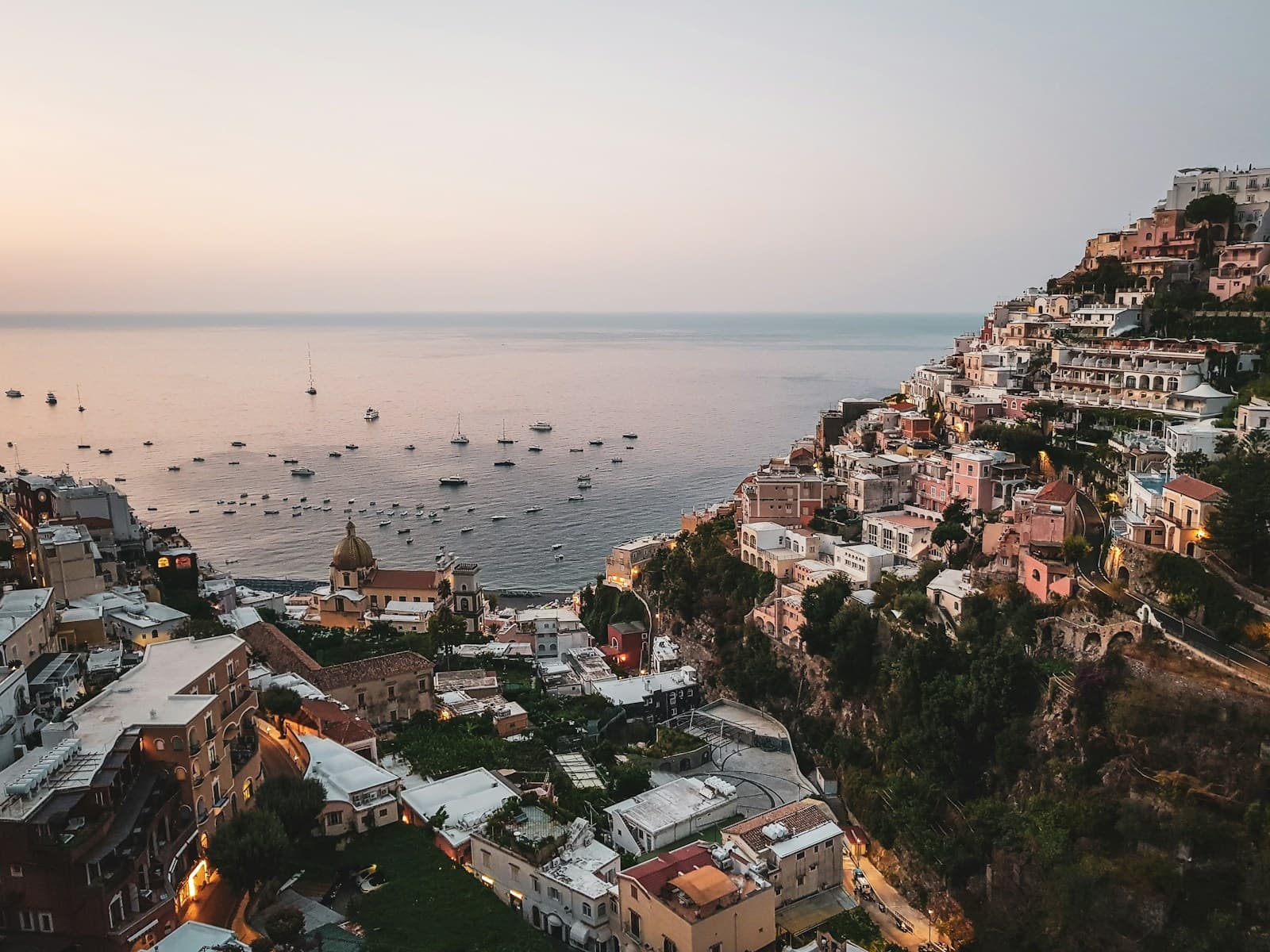
Private yacht charter Mediterranean — FFGR Italia luxury vessel on Italian waters
Mediterranean · Private Yachting

Private Yacht Charter Mediterranean — The FFGR Italia Guide to Italian Waters

April 26, 2026 · 9 min read · FFGR Italia VIP Team

The Mediterranean offers 46,000 km of coastline. The difference between a good charter and a perfect one is not the yacht — it is the intelligence behind it: where to anchor, when to move, which marinas accept a 50-meter vessel at 48 hours' notice, which port authority contacts ensure zero friction. This guide explains how FFGR Italia approaches Italian yacht charters and what that means for the client aboard.

Italy's Three Yachting Theaters

The Amalfi Coast and Tyrrhenian — Positano, Capri, Ischia, Ponza — is the most photographed and the most logistically demanding. Positano has no marina; all access is by tender. Capri operates an anchor-only policy for vessels above a certain LOA during peak months. Ischia's Porto d'Ischia accommodates superyachts up to 60 meters but requires advance berth reservation through the port authority. The Tyrrhenian season runs May through October, with July and August demanding three to six months' advance planning for any berth above 30 meters.

Sardinia and the Costa Smeralda — Porto Cervo, Cala di Volpe, La Maddalena — is the established superyacht corridor of the western Mediterranean. Porto Cervo Marina, operated by the Yacht Club Costa Smeralda, is the reference point: 700 berths, full services up to 100 meters, and a social calendar that includes the Maxi Yacht Rolex Cup and the Loro Piana Superyacht Regatta. Berth reservations for August must be submitted by February. The La Maddalena archipelago to the north offers protected anchorages with national park oversight — anchoring protocols are strict and FFGR Italia coordinates the necessary permits.

Sicily and the Aeolian Islands — Taormina, Stromboli, Panarea, Vulcano — is the circuit for clients who want drama over social scene. Stromboli's active volcano is visible from the sea at night, and anchoring in its shadow requires monitoring weather and wind shift. Panarea, the smallest of the Aeolians, has become a discreet alternative to the Costa Smeralda for clients who prefer fewer yachts and no cameras. The season peaks in August; May, June, and September offer similar conditions with a fraction of the traffic.

The Charter Fleet — What the Numbers Mean

LOA (length overall), beam, and draft determine which anchorages, marinas, and coastal waters are accessible. A 60-meter motor yacht with a 4.5-meter draft cannot enter Capri's marina at all and is restricted to anchor positions north of the Faraglioni. A 28-meter gulet with a 2-meter draft can access shallow bays inaccessible to any superyacht and berth in ports that a larger vessel cannot approach. FFGR Italia operates and brokers across a range from 18 to 60 meters — the right vessel is not the largest available, it is the one that accesses the itinerary without compromise.

Gulet versus motor yacht versus superyacht with tenders: a gulet (traditional wooden sailing vessel, typically 25–40 meters) is suited to slower, coastal cruising with frequent anchoring and a relaxed pace. A motor yacht prioritizes speed and range — crossing from Naples to Porto Cervo in a day rather than three. A superyacht above 40 meters typically carries tenders, jet skis, and in some cases a helicopter pad — and the tender becomes the primary access vehicle for every anchorage and tender-only destination. All FFGR Italia charters use MYBA (Mediterranean Yacht Brokers Association) standard agreements for clarity on APA, provisioning, and liability.

Port Access & Clearance

Italian territorial waters are governed by the Guardia Costiera (Coast Guard), which enforces anchor zones, no-entry marine protected areas, and vessel documentation requirements. Foreign-flagged vessels must carry original registration, insurance, and crew certification documents at all times. The Guardia Costiera boards regularly in the Aeolians and around the La Maddalena archipelago; incomplete documentation means departure from the anchorage.

Porto Cervo berth reservations for peak August require submission by February — six months in advance — and even then, berths above 50 meters are allocated on a priority basis determined by vessel history at the marina. Capri operates an anchor-only policy for vessels above certain dimensions: no marina berth is available for superyachts, and the anchor zone in the Marina Grande is managed by the port authority with designated coordinates. Positano is tender-only access for all vessels without exception; our team pre-coordinates with the Positano tender pier and the hotels' private dock managers for seamless landing.

The Integrated Itinerary — Sea + Land

A yacht charter becomes a full itinerary when the sea and land legs are designed together. FFGR Italia's approach is to treat the vessel as the mobile base and the land as the extension. In practical terms: helicopter transfer from the superyacht deck to a helipad above Ravello (CAA certification required for the deck landing zone; we confirm this before chartering any vessel); tender-to-chauffeur handoff at Positano's pier or the Amalfi harbor for a private coastal drive to a Michelin dinner in Praiano; provisions from Peck Milano or Roscioli Roma sourced and delivered to the marina before departure.

For clients combining a Sardinia charter with a mainland program, we coordinate the land fleet in Olbia or Cagliari so that the yacht's schedule and the ground schedule are synchronized — not approximated. The most common failure in integrated yacht-and-land itineraries is the handoff: the yacht arrives 40 minutes early or the car is held at the port gate. FFGR Italia uses a single operations coordinator for both the vessel and the ground elements, with one communication channel for the client.

Crew & Security at Sea

FFGR Italia charters include a minimum crew of captain, first mate, chef, and steward on vessels above 24 meters. All captains hold Italian RYA or equivalent licenses and carry the STCW (Standards of Training, Certification and Watchkeeping) certification required for commercial vessel operation. The chef is briefed on dietary requirements, preferred cuisine, and service style before embarkation — not on the morning of the first meal.

For UHNW principals with security requirements, an optional security officer can be embedded as crew — experienced in maritime environments and familiar with Italian coastal protocols. NDA agreements at sea cover all crew members and are standard in our charter contracts. For principals who require a close-protection team, we coordinate the logistics of transferring CPOs between the vessel and shore without creating the visibility that a security convoy on a marina pier would generate.

How to Charter the Right Way

Three months' advance notice is the minimum for peak July and August charters on vessels above 30 meters. For specific vessels in specific locations — a 50-meter motor yacht in Porto Cervo for the week of the Maxi Yacht Rolex Cup, for instance — six months is realistic. MCA (Maritime and Coastguard Agency) and MYBA charter contracts are the standard for professionally managed vessels; a handshake agreement or an informal booking confirmation is not a charter contract and provides no protection on cancellation, damage, or APA reconciliation.

A proper charter quotation should include: vessel rate (weekly), APA (Advance Provisioning Allowance — typically 30–35% of the vessel rate, covering fuel, port fees, provisions, and crew gratuity), provisioning budget, port and marina fees itemized by itinerary, and any additional costs for tenders, water toys, or helicopter operations. FFGR Italia provides a full cost breakdown at enquiry — not a headline rate that expands after signing.

Enquire About Yacht Charter

Plan your Mediterranean voyage with FFGR Italia.

Request a Charter
Immediate Reply